To Battle Climate Change, a Baltimore Church Turns to Nature
insideclimatenews.org
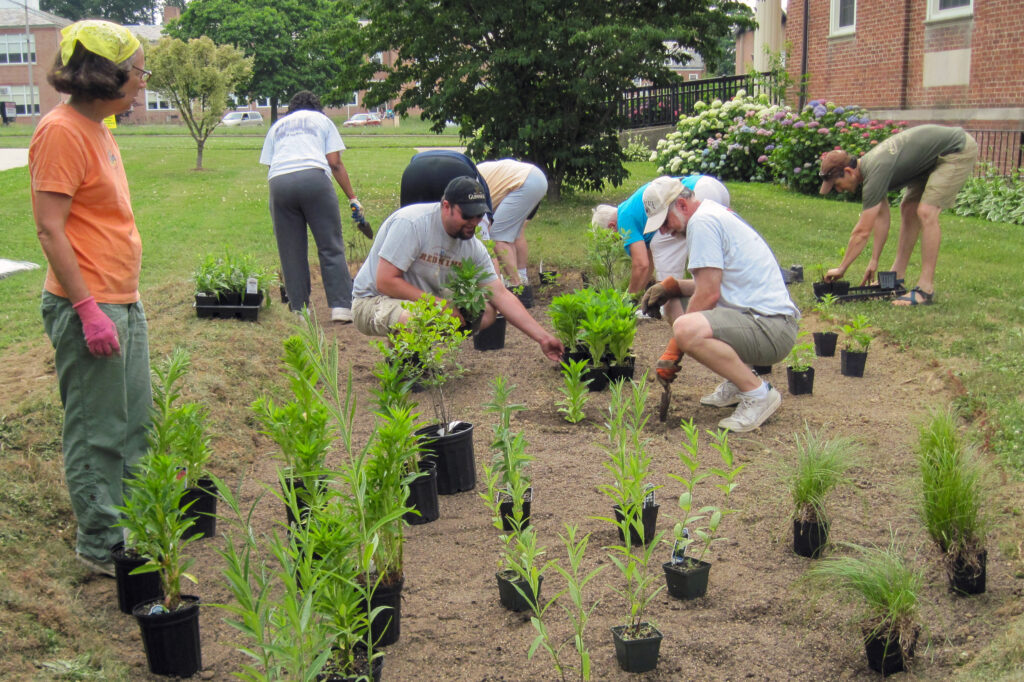
Faith Presbyterian Church planted a 200-square-foot rain garden and converted part of its parking lot into a small forest. Instead of rushing through pipes and directly into local waterways, rainwater flowing off the church roof tarries in the garden, pollutants filtered by native plants as it works its way underground.
It’s an example of using natural solutions to withstand climate impacts, as stormwater systems engineered for the weather of the past increasingly fall short. And even when those systems work well, they don’t offer all the benefits of green space.
Making this work in a meaningful way takes something at the scale of the Chinese Sponge City approach, not just doing one or two properties by choice.
0
0
0